Plan Rooms That Feel Right
InteriorFlowPro teaches practical interior design basics through room observation, layout sketches, color palettes, lighting checks, and simple planning habits before you change a real space.
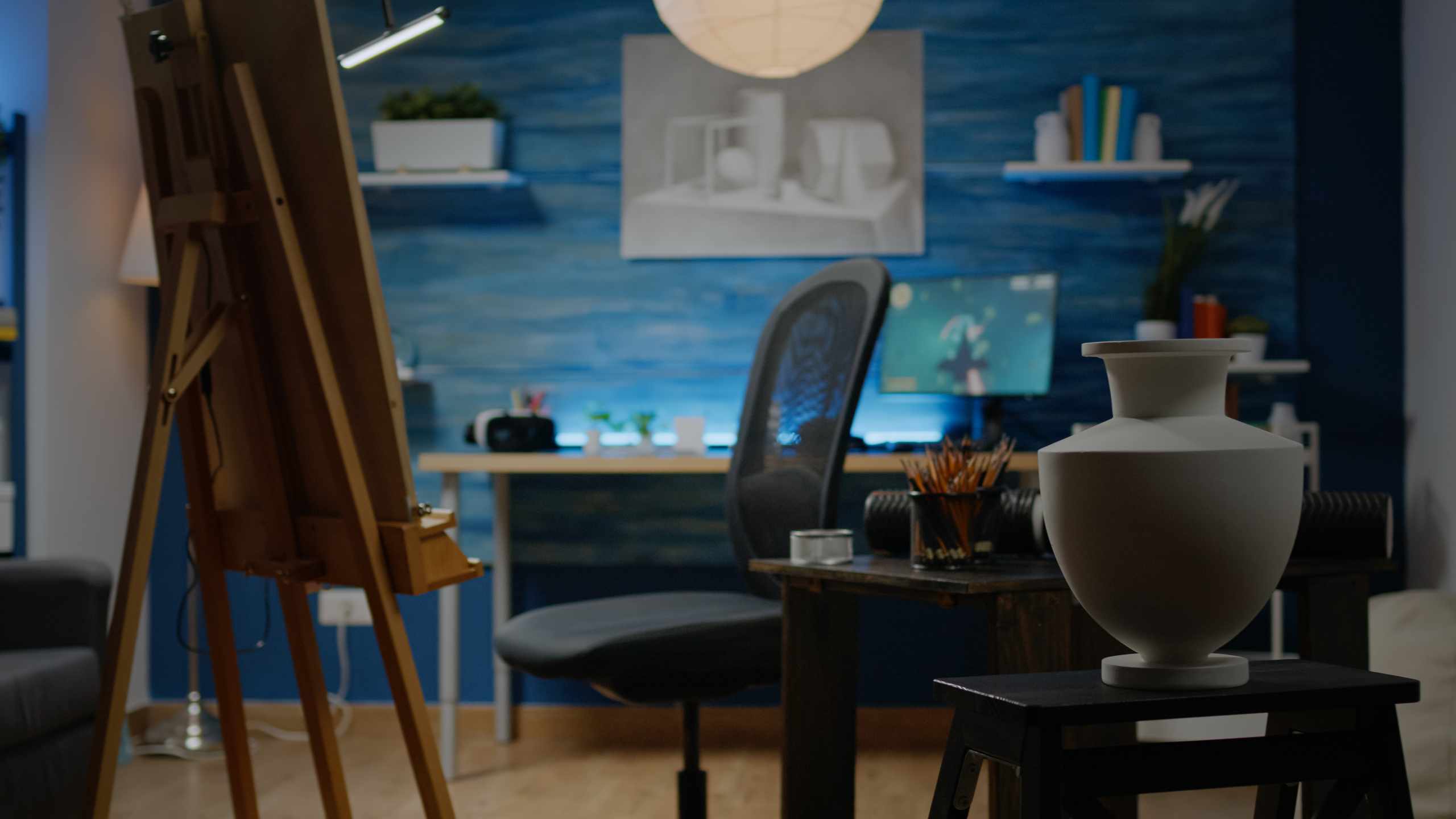
Interior basics for real rooms
Practice layout, color, lighting, scale, and material choices with clear beginner checks.
Room Reading
Notice room shape, window placement, door swings, fixed points, and the paths people use before choosing furniture or decor.
Furniture Flow
Compare layout options so seating, tables, and storage support daily use without blocking circulation or sightlines.
Color Checks
Build a calm palette with a neutral base, accent color, and paint or fabric samples tested against existing surfaces.
Lighting Layers
Think through natural light, task lighting, ambient lighting, and accent lighting before a room feels flat or too dim.
Material Pairing
Compare texture, finish, fabric, flooring, and wall treatment ideas without mixing too many visual directions at once.
Balance Review
Check proportion, focal points, negative space, storage zones, and decor grouping before adding more objects to a room.
Practice the planning sequence
Four grounded steps for making design choices before buying or rearranging.
STEP 01
Measure The Room
Use a tape measure, notebook, and room photos to mark walls, windows, doors, outlets, and fixed furniture.
STEP 02
Sketch Layouts
Draw a few floor plan options and test furniture scale, movement paths, seating areas, and storage placement.
STEP 03
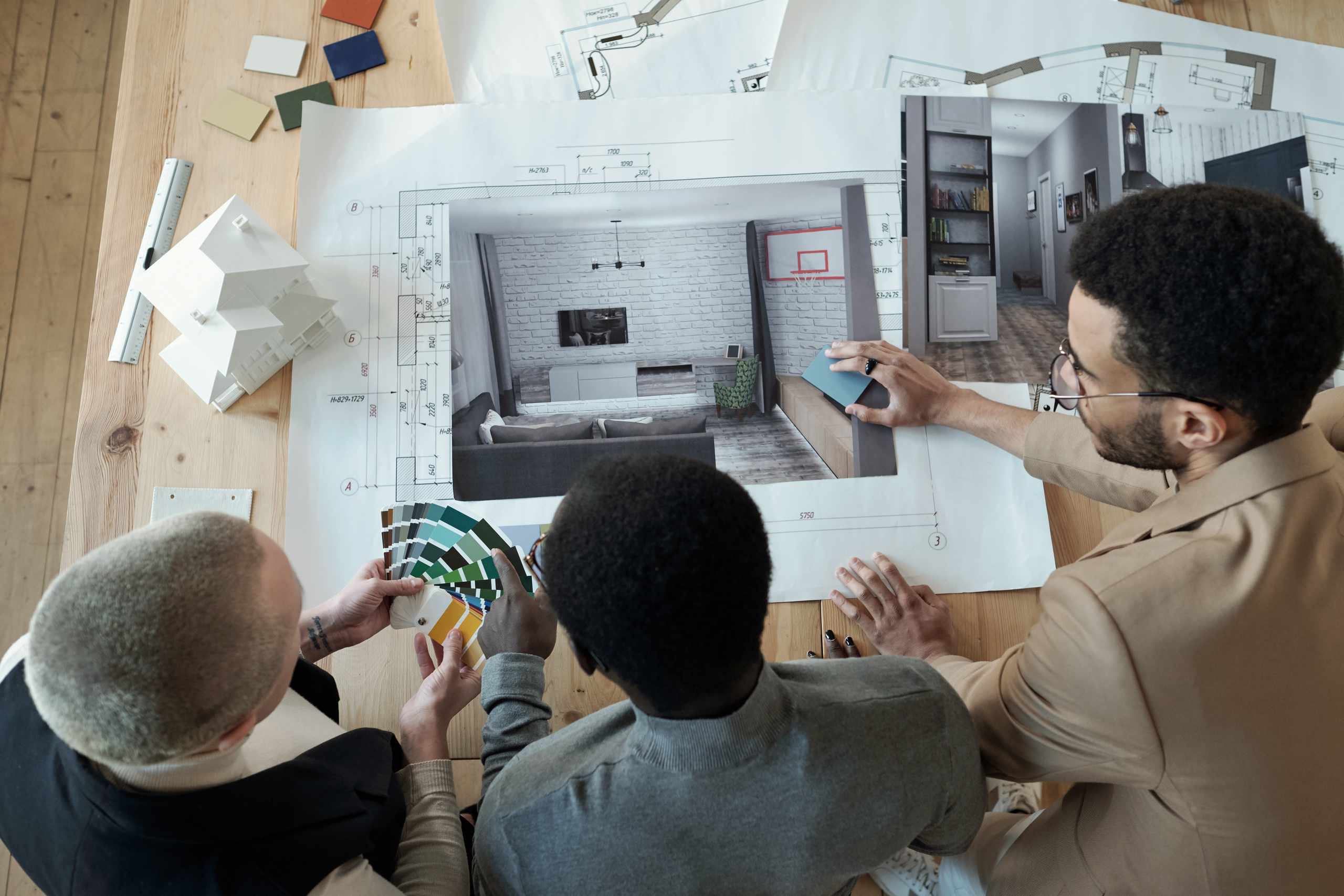
Build A Mood Board
Gather colors, material samples, lighting references, and furniture dimensions to test one clear design direction.
STEP 04
Review Before Changing
Check function, lighting, scale, texture, and visual balance before making purchases or updates.
Stop guessing with room choices
Use measurements, sketches, samples, and practical checks to make calmer decisions about layout, color, lighting, and decor.
Plan before buying furniture, paint, or decor
Practice with one real room and simple tools
FROM THE BLOG
Room planning guides on measurement, traffic flow, color palettes, lighting layers, mood boards, and material choices.

What a Mood Board Should Include Before Buying Decor
A mood board shouldn’t be a shopping list. It should be a small testing surface on which the room idea can be …
Read More
How to Measure a Room Before Arranging Furniture
A room may seem perfectly easy to shuffle around until the couch gets stuck on a door, the table cuts through …
Read More
How to Select a Basic Color Scheme for One Room
A basic palette is far less stressful if your mindset changes from “what color should I use” to &#…
Read MoreLearners on clearer room planning
The course helped me stop choosing decor first. Measuring the room and checking the traffic flow made my layout decisions much easier to understand.
Nanami Kurosawa
I finally understood why my color ideas looked different in the room. Testing swatches with daylight and existing finishes made the palette feel calmer.
Rento Akiyama
Building a mood board before shopping helped me compare textures, lighting references, and furniture scale instead of copying a photo too closely.
Mirei Tsukishiro